M&S Thermal Vest . Colour black / grey / pink mix. Please look at my other items, i'm having a clear out and combine postage. Short Sleeve Ribbed Thermal Vest M&S Collection M&S from www.marksandspencer.com Thermal medium warmth long sleeve vest. Quick shop add to cart. Pack of two, both in a regular fit with a crew neck and.
3M Thermal Bonding Film 583. (4) 3m™ thermal bonding film 583 Can be solvent activated in the uncured form.
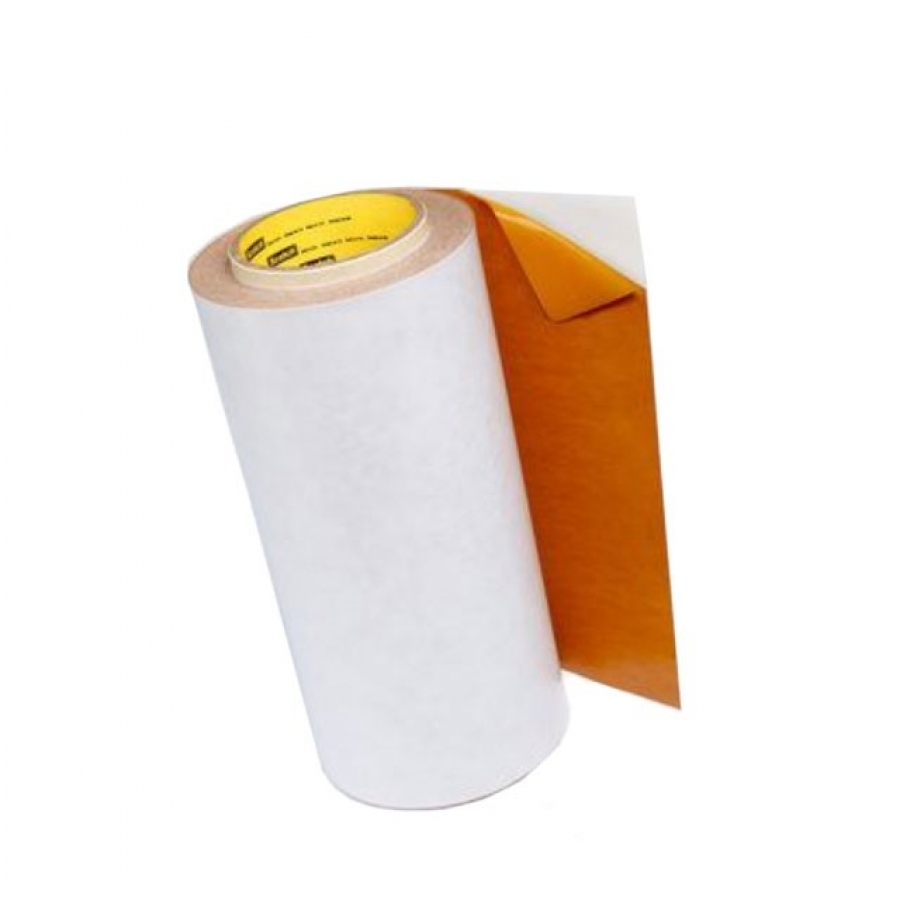
Лента термоклеепереносящая 3M Thermal Bonding Film 583 50 мм x 55 м from beamtech.by
3m™ 583 thermal bonding film is a high strength, flexible, nitrile phenolic based thermoplastic bonding film. It can also be used to stick makeready materials such as heat foam to heated beds. 3m™ thermal bonding film 588 product description 3m™ thermal bonding film 588 is a high strength, flexible, nitrile phenolic based thermosetting adhesive film.
It Can Be Heat Or Solvent Activated For Bonding.
This crosslinking will provide additional heat and solvent resistance as well as somewhat higher shear strengths. 3m™ bonding film 583 can also be lightly. All reported data has not undergone crosslinking unless otherwise stated.
High Quality 3M Scotch 583 Thermal Die Bonding Film (Otherwise Known As Die Bonding Tape Or Heat Activated Tape) Is Primarily Used For Securing Metal Plates (Stamps) To Hot Metal Plates.
It can be heat or solvent activated for bonding. 100% solids formulation of synthetic elastomer, thermoplastic, and. 3m™ thermal bonding film 588 product description 3m™ thermal bonding film 588 is a high strength, flexible, nitrile phenolic based thermosetting adhesive film.
Flexible Dry Film That Flows When Heat Or Solvent Activated To Form A Strong, Permanent Bond For Nameplates And Other Applications.
3m thermal bonding film 583 09/16/19 _____ page 6 of 10 refer to section 5.2 for hazardous decomposition products during combustion. It can also be lightly crosslinked using a post heat exposure. Crosslinking of this film can typically be achieved by heating the bondline at 177°c (350°f) for five minutes.
Each Roll Is 25Mm Wide And 55M Long.
This hot melt film adhesive provides a strong, permanent bond to the surface to which it is applied. Can be solvent activated in the uncured form. Continue reading 3m™ thermal bonding film 583, 12 in x 180 yds, 1/case, bulk
3M Bonding Film 583 Is A High Strength, Flexible, Nitrile Phenolic Based Thermoplastic Bonding Film.
This crosslinking will provide additional heat and solvent resistance as well as somewhat higher shear strengths. This film can also be lightly crosslinked using a post heat exposure. This crosslinking will provide additional heat and solvent resistance as well as somewhat higher shear strength.


Comments
Post a Comment